























































































































































12 Tips for a Healthy Lifestyle: Simple Habits That Support Better Health
Author: RVLNSV PRASAD
Updated: August 2026
[About Us]
[Author Bio]
[Editorial Policy]
[Contact Us]

Quick Answer
A healthy lifestyle does not require extreme diets or complicated routines. It can be built through consistent habits such as eating a varied diet, staying physically active, getting adequate sleep, managing stress, avoiding tobacco, maintaining social connections, and keeping up with appropriate preventive healthcare. WHO identifies healthy eating, physical activity, sufficient sleep, avoiding tobacco and alcohol, and connecting with others as important lifestyle choices that support health and well-being.
Introduction
A healthy lifestyle is not about being perfect. It is about making practical choices that support your physical and mental well-being over time.
Many people believe they need a strict diet, expensive supplements, or intense workouts to become healthier. In reality, sustainable health habits are usually built from simple actions that can fit into everyday life.
A balanced eating pattern, regular movement, adequate sleep, stress management, and avoiding tobacco can all contribute to better health. WHO notes that healthy diets and regular physical activity are important parts of preventing and managing many noncommunicable diseases.
The important question is not
“How can I change everything at once?”
It is:
“What healthy habit can I realistically maintain?”
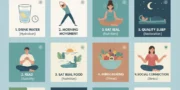
The following 12 tips focus on practical changes that can become part of everyday life.
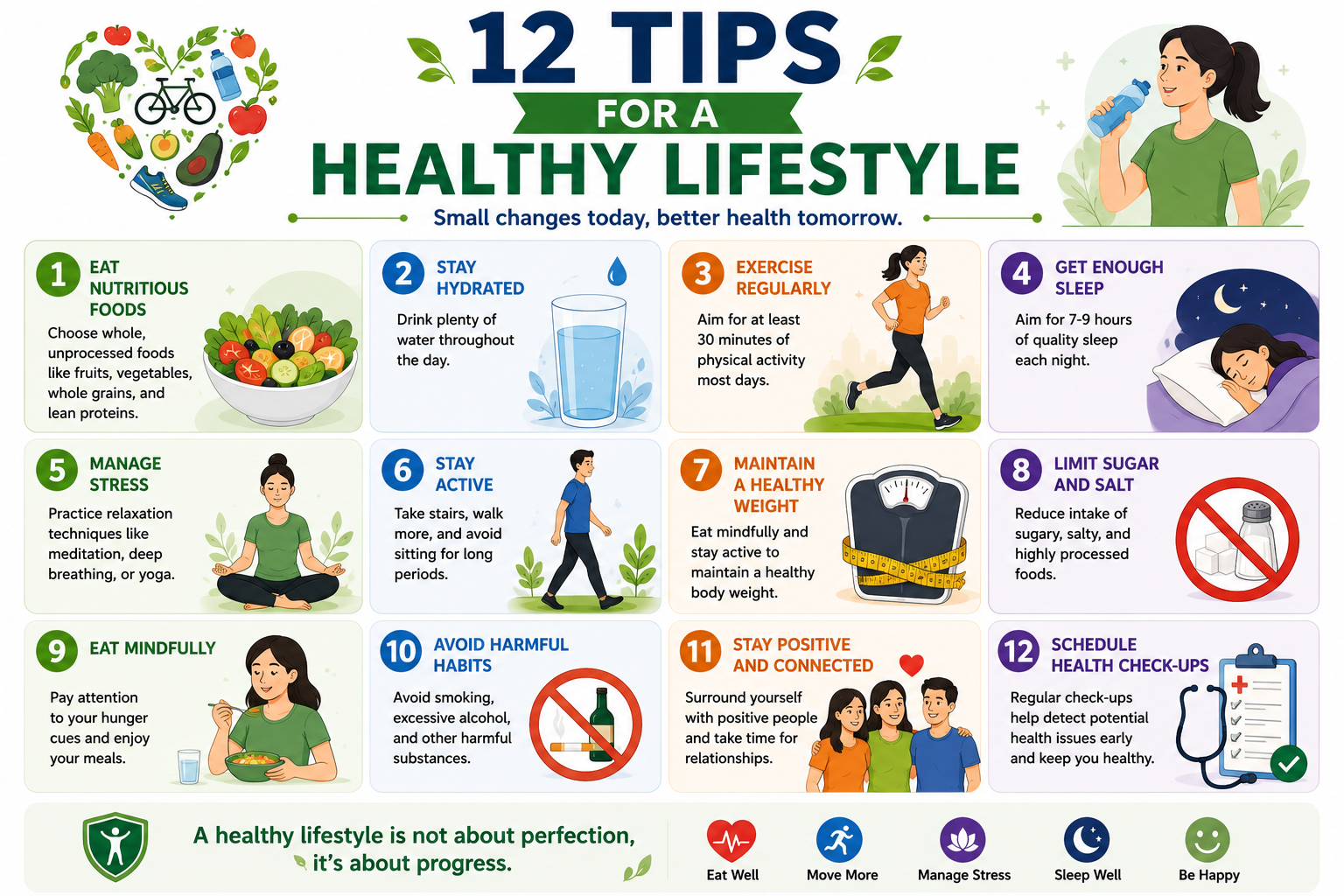
1. Eat a Balanced and Varied Diet
Healthy eating is not about eliminating entire food groups. It is about choosing a variety of nutritious foods and maintaining balance.
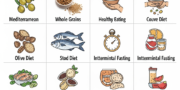
WHO describes healthy diets around four principles: adequacy, balance, moderation, and diversity. Foods such as vegetables, fruits, legumes, whole grains, nuts, and appropriate sources of protein can form part of a balanced eating pattern.
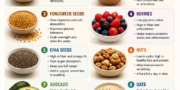
Try to include:
- Vegetables and fruits
- Whole grains
- Beans and other legumes
- Nuts and seeds
- Appropriate protein sources
- Healthy sources of unsaturated fat
At the same time, limit excessive amounts of foods high in free sugars, unhealthy fats, and sodium.
2. Stay Physically Active
Physical activity is one of the foundations of a healthy lifestyle. It does not have to mean going to a gym.
Walking, cycling, swimming, dancing, household activities, and structured exercise can all contribute to your overall activity level. WHO emphasizes that some physical activity is better than none.
Simple ways to move more include:
- Taking regular walks
- Using stairs when practical
- Cycling
- Doing household activities
- Taking movement breaks during long periods of sitting
- Performing strength exercises
Adults should generally work toward 150–300 minutes of moderate-intensity aerobic activity per week, along with muscle-strengthening activity at least twice a week. (WHO)
Think About Health Across the Whole Day
Explain that physical activity, sedentary time, and sleep are interconnected parts of a 24-hour lifestyle rather than completely separate habits.
WHO’s physical-activity guidelines specifically consider physical activity and sedentary behavior together, rather than treating exercise as the only part of daily movement.
3. Prioritize Quality Sleep
Sleep is an important part of maintaining overall health. A healthy routine should include enough time for regular, restorative sleep.
Instead of treating sleep as something optional, make it part of your daily schedule.
Helpful habits include:
- Keeping a consistent sleep and wake time
- Creating a relaxing bedtime routine
- Limiting activities that interfere with sleep
- Keeping your sleeping environment comfortable
- Avoiding unnecessary late-night screen use
If persistent sleep problems continue, consider discussing them with a healthcare professional rather than relying only on lifestyle changes.
4. Maintain a Healthy Weight Without Extreme Dieting
Healthy weight management is more sustainable when it focuses on long-term habits rather than rapid changes.
A person’s healthy weight can be influenced by many factors, including nutrition, physical activity, sleep, genetics, environment, and medical conditions. WHO describes higher weight and obesity as complex conditions rather than simply a matter of personal choice.
A sustainable approach can include:
- Balanced meals
- Regular physical activity
- Adequate sleep
- Reasonable portion awareness
- Limiting highly energy-dense foods and sugary drinks
Avoid crash diets that promise dramatic results in a very short time.
5. Drink Enough Fluids
Water is essential for normal body function. Fluid needs vary depending on factors such as climate, physical activity, diet, age, and health status.
Instead of following a single water target for everyone, pay attention to thirst and your individual circumstances.
During hot weather or prolonged physical activity, fluid needs may increase.
6. Avoid Tobacco and Nicotine
Avoiding tobacco is one of the strongest lifestyle choices you can make for long-term health.
WHO states that all forms of tobacco use are harmful and that tobacco contributes to cardiovascular disease, cancer, respiratory disease, and other serious health problems.
If you use tobacco and want to quit, professional support can make the process easier. WHO notes that counselling and appropriate medication can substantially improve the chances of successful cessation.
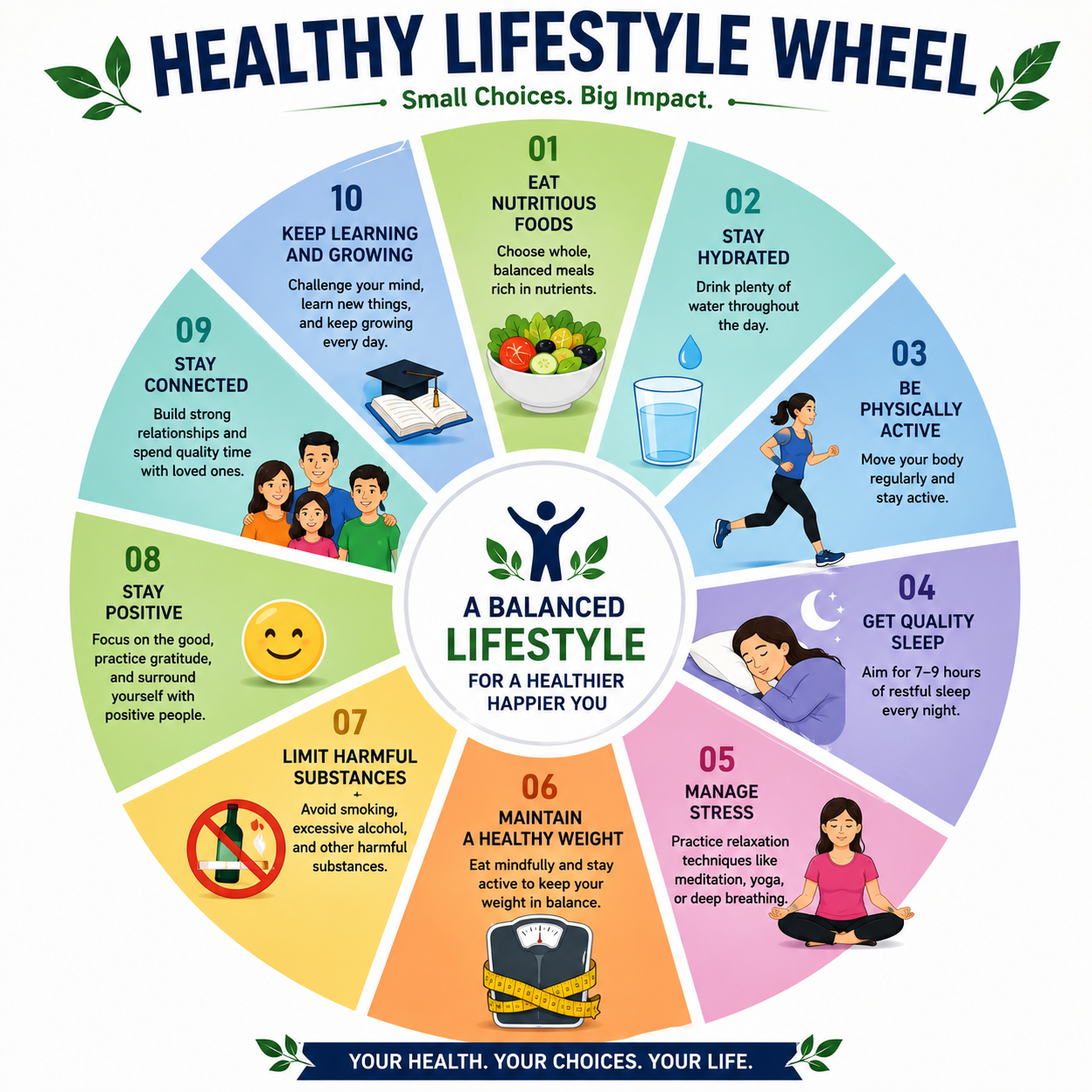
7. Limit Alcohol or Avoid It
Alcohol can affect health in several ways, and lower consumption generally means lower risk.
WHO states that alcohol is associated with more than 200 health conditions and that risk generally increases as consumption increases.
For people who drink alcohol, reducing consumption can be a meaningful health step. For others, avoiding alcohol may be the most appropriate choice.
8. Manage Stress in Healthy Ways
Stress is a normal part of life, but ongoing stress can affect how people feel and behave.
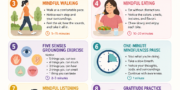
Healthy coping strategies can include:
- Walking
- Exercise
- Relaxation techniques
- Spending time outdoors
- Maintaining social connections
- Getting adequate sleep
- Speaking with a qualified professional when needed
The goal is not to eliminate every stressful experience. It is to develop healthier ways of responding to stress.
9. Maintain Social Connections
Health is not only about food and exercise. Social connection can also be an important part of overall well-being.
Spending time with family, friends, colleagues, or community groups can provide companionship and emotional support.
Simple options include:
- Calling a friend
- Eating a meal with family
- Joining a community activity
- Participating in a hobby group
- Volunteering
A healthy lifestyle should support both physical and social well-being.
10. Reduce Long Periods of Sitting
Regular exercise does not completely eliminate the need to pay attention to sedentary time.
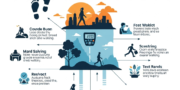
If your work requires long periods of sitting, introduce short movement breaks throughout the day.
For example:
Everyday options:
- Stand during short breaks
- Walk while taking some phone calls
- Stretch between tasks
- Take a short walk after meals
- Avoid remaining seated for unnecessarily long periods
WHO notes that sedentary behavior is associated with several adverse health outcomes and recommends limiting sedentary time.
11. Make Preventive Healthcare Part of Your Routine
A healthy lifestyle also includes appropriate preventive healthcare.
Depending on your age, sex, family history, risk factors, and medical history, this may include recommended health screenings, vaccinations, dental care, and routine medical consultations.
Do not wait until you feel unwell before discussing persistent symptoms or health concerns with a healthcare professional.
Preventive care should be individualized, rather than based on a single checklist that applies to everyone.
12. Build Habits You Can Maintain
The final tip is perhaps the most practical: choose habits you can realistically continue.
A healthy lifestyle does not have to be perfect.
If you try to change everything overnight, the routine may become difficult to maintain. Instead, start with one or two realistic changes and build gradually.
For example:
- Walk for 10–20 minutes
- Add another serving of vegetables
- Set a regular bedtime
- Take movement breaks
- Reduce sugary drinks
- Spend more time with people you care about
Small improvements can become meaningful when they are repeated consistently.
Make Healthy Choices Easier
This can be very practical:
- Keep nutritious foods easier to access.
- Keep walking shoes visible and ready.
- Keep a regular sleep environment.
- Reduce unnecessary distractions during meals.
- Schedule activity rather than relying only on motivation.
Why Changing Everything at Once Can Backfire
A healthy lifestyle does not require changing every habit overnight. Trying to overhaul your diet, exercise, sleep, stress, and daily schedule simultaneously can make the process difficult to maintain. A more practical approach is to choose one or two habits, make them manageable, and build from there.
A Simple Healthy Lifestyle Framework
| Area | Practical Habit | Long-Term Goal |
|---|---|---|
| Nutrition | Eat a varied, balanced diet. | Support adequate nutrition. |
| Physical activity | Move regularly. | Improve fitness and physical function. |
| Sleep | Maintain a consistent routine. | Support restorative sleep. |
| Hydration | Drink fluids according to your needs. | Maintain normal hydration. |
| Weight | Avoid extreme dieting. | Support a healthy weight. |
| Tobacco | Avoid or quit tobacco. | Reduce health risks |
| Alcohol | Limit or avoid alcohol. | Reduce alcohol-related risks. |
| Stress | Use healthy coping strategies. | Support mental well-being. |
| Social health | Maintain meaningful connections. | Support emotional well-being. |
| Sitting | Take regular movement breaks. | Reduce prolonged sedentary time. |
| Prevention | Follow appropriate healthcare advice. | Detect and manage health risks. |
| Habits | Make gradual changes. | Build sustainable routines |
What Matters Most?
You do not need to follow all 12 habits perfectly from the beginning.
Start with the areas that are most realistic for you.
For example, someone who rarely exercises might begin with daily walking. Someone who regularly skips sleep might first establish a consistent bedtime. Someone who uses tobacco might focus on getting professional support to quit.
The best lifestyle plan is one that is realistic, sustainable, and appropriate for your individual circumstances.
Author Note
This article was written by RVLNSV PRASAD to provide practical, easy-to-understand information about healthy lifestyle habits. It uses established public-health guidance and evidence-based sources while presenting practical suggestions for everyday life. Personal choices and health needs vary, so the information should be considered general education rather than individualized medical advice.
Medical Disclaimer
This article is intended for general educational purposes and is not a substitute for professional medical advice, diagnosis, or treatment. Your nutritional, exercise, sleep, and healthcare needs may differ based on your age, medical history, medications, and individual circumstances. Speak with a qualified healthcare professional before making significant lifestyle changes if you have a medical condition or specific health concerns.
Key Takeaways
- Choose a varied and balanced diet rather than an extreme eating plan.
- Stay physically active and reduce prolonged sitting.
- Prioritize consistent, adequate sleep.
- Avoid tobacco and consider limiting or avoiding alcohol.
- Manage stress through healthy coping strategies.
- Maintain meaningful social connections.
- Follow appropriate preventive healthcare recommendations.
- Focus on small, sustainable changes rather than perfection.
Frequently Asked Questions
1. What are the most important healthy lifestyle habits?
A balanced diet, regular physical activity, adequate sleep, avoiding tobacco, managing stress, maintaining social connections, and appropriate preventive healthcare are among the key areas to focus on. WHO includes healthy eating, physical activity, sleep, avoiding tobacco and alcohol, and social connection among important lifestyle choices.
2. Do I need to exercise every day to be healthy?
Not necessarily. The recommended amount depends on the type and intensity of activity. Adults should generally aim for regular aerobic activity throughout the week and include muscle-strengthening activities on at least two days. Some activity is better than none.
3. What should I eat for a healthy lifestyle?
A varied diet can include vegetables, fruits, whole grains, legumes, nuts, and appropriate protein sources. WHO recommends dietary patterns based on adequacy, balance, moderation, and diversity.
4. How can I make healthy habits last?
Start with small changes that fit your daily routine. Once a habit becomes manageable, gradually introduce another change. Sustainable progress is generally more practical than trying to change everything at once.
5. Is avoiding tobacco important for healthy living?
Yes. Tobacco use is a major preventable risk factor for many serious diseases. If you use tobacco, professional cessation support can improve your chances of quitting successfully.
A Simple Healthy Lifestyle Self-Check
| Area | Ask Yourself | If Your Answer Is “No” |
|---|
| Nutrition | Do most of my meals contain nutritious foods? | Improve meal quality gradually. |
| Movement | Do I move regularly during the week? | Add short walks or other activity. |
| Sleep | Do I maintain a reasonably consistent sleep routine? | Improve your bedtime routine. |
| Stress | Do I have healthy ways to manage stress? | Add relaxation or social activities. |
| Tobacco | Do I avoid tobacco? | Consider professional cessation support. |
| Alcohol | Is my alcohol intake low or none? | Consider reducing it. |
| Social connection | Do I regularly connect with people I care about? | Make time for meaningful contact. |
| Preventive care | Am I keeping up with appropriate healthcare? | Discuss your needs with a healthcare professional |
What Does a Healthy Day Look Like?
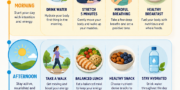
A basic healthy day might include:
- A balanced meal
- Some physical activity
- Regular movement instead of prolonged sitting
- Adequate fluids
- Time to relax
- Social connection
- A consistent bedtime
Conclusion
A healthy lifestyle is not built through one perfect diet, workout, or routine. It develops through everyday choices that support nutrition, movement, sleep, mental well-being, social connection, and preventive care.
You do not need to change everything today. Start with one realistic habit, repeat it consistently, and build from there. Over time, small improvements can become a sustainable approach to better health.
Sources
- World Health Organization — Healthy Diet
- World Health Organization — Physical Activity
- World Health Organization — Self-Care for Health and Well-Being
- World Health Organization — Tobacco and Nicotine
More Stories From This Blog
- Gut Health Revolution: How Nutrition Shapes Your Microbiome
- 13 Effective Tips on How to Get Sleep Quickly
- Simple Habits for Better Sleep at Night: A Comprehensive Guide
- 12 Best Ways To Lower Blood Pressure
- Home










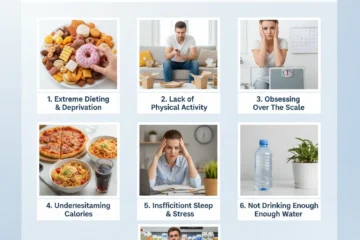
[…] 12 Tips for A Healthy Lifestyle […]
[…] 12 Tips for A Healthy Lifestyle […]
[…] 12 Tips for A Healthy Lifestyle […]
[…] 12 Tips for A Healthy Lifestyle […]
[…] 12 Tips for A Healthy Lifestyle […]
[…] 12 Tips for A Healthy Lifestyle […]
[…] 12 Tips for A Healthy Lifestyle […]
[…] 12 Tips for A Healthy Lifestyle […]
[…] 12 Tips for A Healthy Lifestyle […]
[…] 12 Tips for A Healthy Lifestyle […]
[…] 12 Tips for A Healthy Lifestyle […]
[…] 12 Tips for A Healthy Lifestyle […]
[…] 12 Tips for A Healthy Lifestyle […]
[…] 12 Tips for A Healthy Lifestyle […]
[…] 12 Tips for A Healthy Lifestyle […]
[…] 12 Tips for A Healthy Lifestyle […]
[…] 12 Tips for A Healthy Lifestyle […]